
Across different parts of the world, something is happening quietly but at massive scale.
Millions of people are leaving their home countries in 2026 to take up high-paying jobs abroad. Not through illegal shortcuts or risky deals, but through structured and legal employment pathways.
What makes this trend more interesting is that most people are not even talking about it openly. Yet recruitment data, visa approvals and job postings all point to one clear reality — global employers are actively hiring foreign workers faster than ever.
Why Millions Are Leaving for Work Abroad
The main reason is a gap in available opportunities.
In many countries, job supply is not growing fast enough to match the number of graduates and skilled workers entering the market. At the same time, developed economies are struggling with labour shortages.
This has created a global demand shift where foreign workers are now essential in keeping industries running.
From hospitals to construction sites, factories to tech companies, international workers are filling critical gaps.
Countries Quietly Recruiting Foreign Workers in 2026
Several countries are leading this global hiring wave.
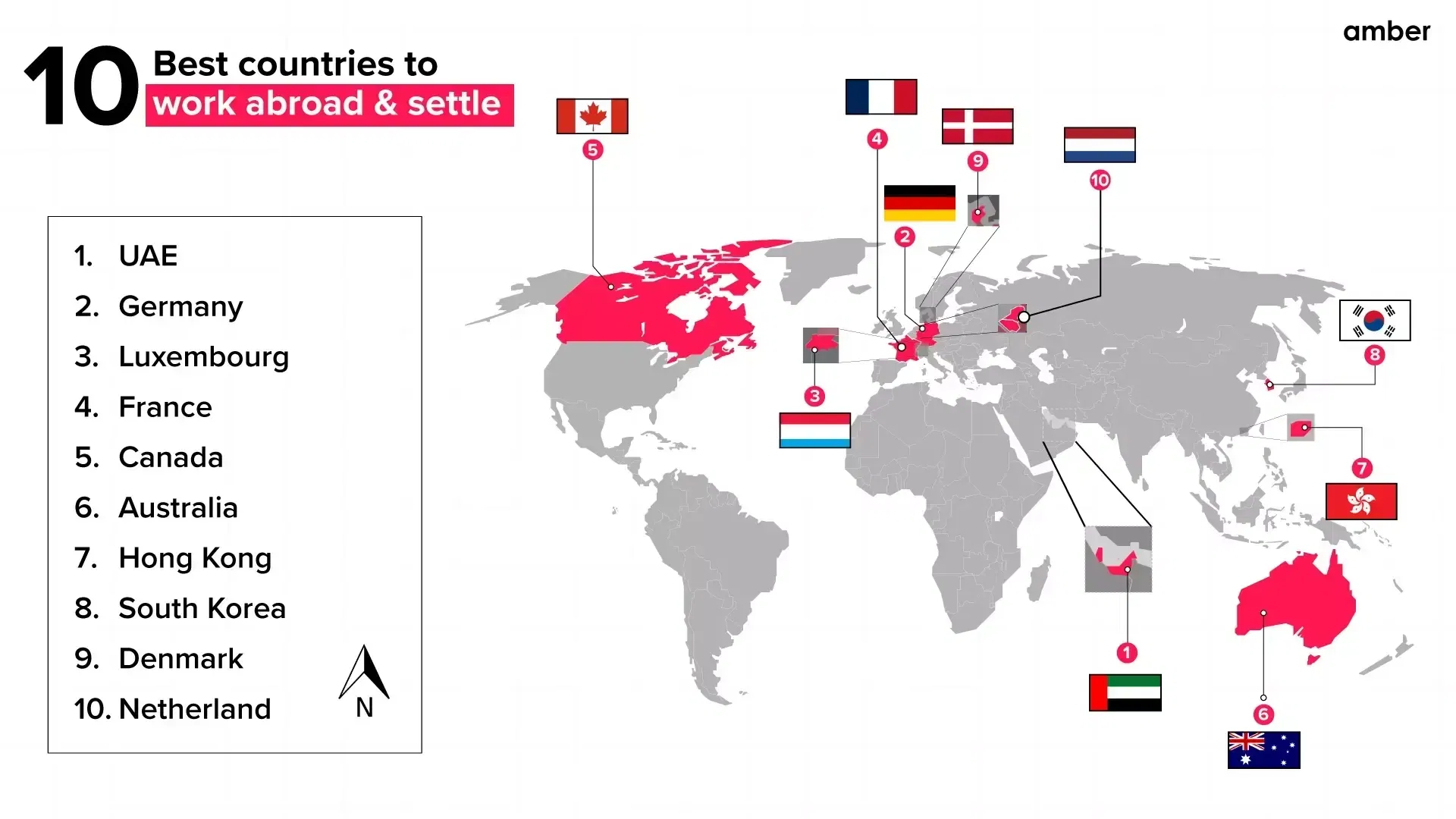
Canada continues to offer structured immigration pathways for skilled workers and caregivers. The United Kingdom remains heavily dependent on foreign labour in healthcare, logistics and construction.
Germany is expanding its workforce through technical and engineering recruitment due to ageing population pressure. Australia is also increasing visa approvals for trades and healthcare workers.
Meanwhile, Gulf countries like the UAE continue to attract millions of foreign workers in hospitality, construction and logistics with tax-free income opportunities.
The Jobs Driving This Global Movement
Certain jobs are responsible for most of these overseas moves.
Healthcare roles such as nurses, caregivers and support staff are in constant demand. Technology professionals including software developers, cybersecurity experts and data analysts are also highly sought after.
Construction workers, electricians, welders, truck drivers and factory workers continue to receive international job offers.
Hospitality and cleaning services remain strong entry points for many first-time workers moving abroad.
How They Are Getting Hired Legally (The Real Process)
Despite speculation online, there is no secret system.
Most workers follow a clear process.
They start by identifying countries with labour shortages. Then they prepare a proper CV that meets international standards. After that, they apply through verified job portals or official recruitment channels.
Once a job offer is secured, employers often assist with work visa applications. After approval, relocation becomes possible.
It is structured, legal and process-driven.
What You Need to Qualify for Work Abroad
Requirements vary by country, but some basics remain the same.
Most employers require relevant work experience or qualifications. A valid job offer is usually needed before visa approval.
Some countries require English language tests, medical checks and police clearance certificates.
In points-based systems like Canada and Australia, factors such as age, education and experience also matter.
Salary Reality: Why People Are Making the Move
One of the biggest reasons behind this global movement is income difference.
Countries like Canada, the UK and Australia offer structured salaries with benefits such as healthcare and pension contributions.
Middle Eastern countries often provide tax-free salaries, meaning workers take home more money compared to many local economies.
For most workers, the appeal is not just higher pay but long-term financial stability.
Mistakes That Stop Many People From Going Abroad
Despite the opportunities, many applicants still fail.
A major issue is fake recruitment agents who request upfront payment for job promises that do not exist.
Another common mistake is submitting weak CVs that do not meet international hiring standards.
Some also apply without understanding visa requirements, leading to automatic rejection.
Those who succeed treat the process carefully and avoid shortcuts.
Conclusion: The Opportunity Is Real, But Competitive
The movement of millions working abroad in 2026 is not a rumour — it is a global labour shift.
Countries need workers, employers are hiring and opportunities are expanding.
But success depends on how well applicants understand and follow the system.
The opportunity is open, but competition is increasing. Those who act correctly and early have the highest advantage.